
• Home
  • Contact
  • My account
  • Home
  • Contact
  • My account
Facebook Linkedin Pinterest X-twitter Youtube Instagram
Dysphagia Cafe Logo
  • Education Webinars
  • Blog
    • Acute Care
    • Advocacy
    • Anatomy
    • Art & Science
    • Coffee Break
    • Case Studies
    • Continuing Education
    • Esophageal Dysphagia
    • Evidence Based Practice
    • Reflux
    • Head Neck Cancer
    • Instrumental Assessment
    • International
    • Neurogenic Dysphagia
    • Pediatric
    • Podcasts
    • Rehabilitation
    • Telepractice
    • Webinars
  • Resources

Type To Search

No products in the cart.

Login
logotype
  • Home
  • Education Webinars
  • Blog
    • Acute Care
    • Advocacy
    • Anatomy
    • Art & Science
    • Coffee Break
    • Case Studies
    • Continuing Education
    • Esophageal Dysphagia
    • Evidence Based Practice
    • Reflux
    • Head Neck Cancer
    • Instrumental Assessment
    • International
    • Neurogenic Dysphagia
    • Pediatric
    • Podcasts
    • Rehabilitation
    • Telepractice
    • Webinars
  • Resources
Login
logotype
  • Home
  • Education Webinars
  • Blog
    • Acute Care
    • Advocacy
    • Anatomy
    • Art & Science
    • Coffee Break
    • Case Studies
    • Continuing Education
    • Esophageal Dysphagia
    • Evidence Based Practice
    • Reflux
    • Head Neck Cancer
    • Instrumental Assessment
    • International
    • Neurogenic Dysphagia
    • Pediatric
    • Podcasts
    • Rehabilitation
    • Telepractice
    • Webinars
  • Resources
  • About
  • Contact
  • Disclaimer
  • My account
Facebook Linkedin Pinterest X-twitter Youtube
Lingual exercise. Make it count!!!

Lingual exercise. Make it count!!!

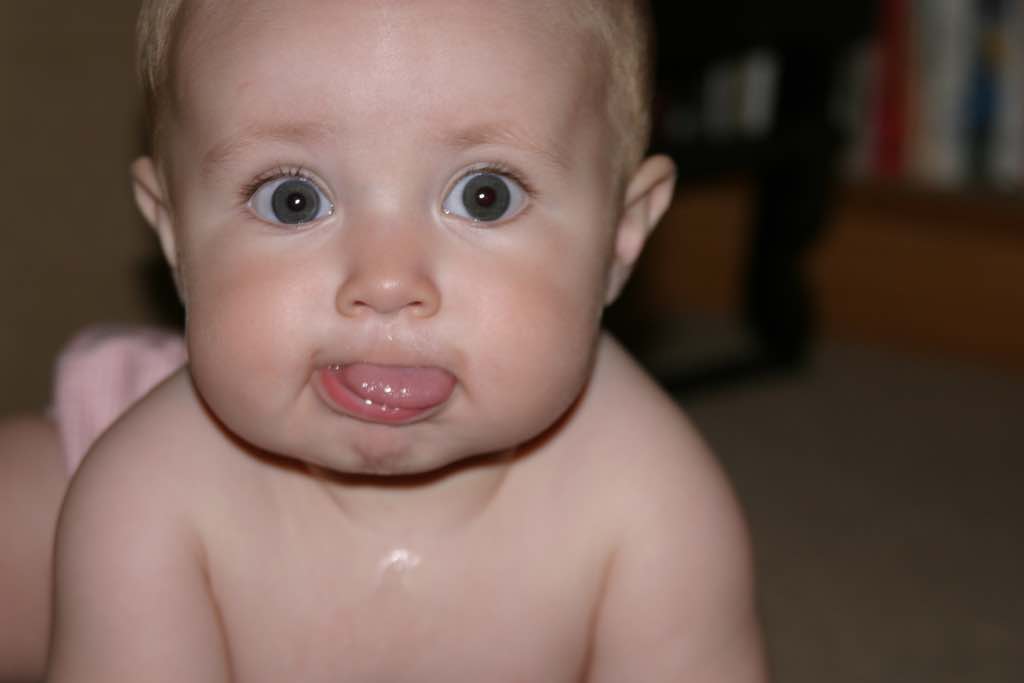
Coffee BreakRehabilitationTreatmentDysphagia CafeJune 11, 2013

Not being a fan of the traditional lingual exercises, I took hold of an adaptive method, which I love and continue to use with my patients when appropriate.

Now the disclaimer: There are many situations where this exercise would not be appropriate and may even be downright unsafe. For example, if your patient is fresh off of a blunt head trauma and likes to bite SLPs, this would not be recommended. If your patient is not able to understand what you are about to do, it is probably not going to be a welcomed surprise. SLPs are well schooled and intelligent individuals, but better safe than sorry. 

Now, if I am going to be an advocate for intensive swallow rehabilitation, patient’s should have the feeling they are getting their money’s worth.  Take the traditional lingual exercises for example and humor me on the following fictitious exchange:

SLP: We are going to work on tongue base retraction. Patient: What does my tongue have to do with my throat problem? SLP: We need to propel the bolus Patient: What’s a bolus? SLP: Don’t worry, just trust me. Stick out your tongue and hold for three seconds. One.Two.Three. Now rest. Do it again. Rest. Do it 1000 times by tomorrow, okay?

Now, no one has ever come across a ridiculous example like that before. Several things about that example can be addressed. First, the patient probably will not comply with the recommendations because buy-in at the patient level has not been achieved. Yes, there are some patients who like to know all the anatomical details, but giving a simple explanation that the patient can connect with would probably be more ideal. Additionally, compliance is not likely to be achieved due to poorly thought out frequency and duration. Of course, 1000 times is ridiculous, but what kind of buy-in should we expect if a patient can’t expect significant results from unwarranted repetition. Lastly, perhaps, in this scenario, the patient was assigned five other exercises that were  isolated exercises and did not include the actual activity of swallowing (I know, lots of assumptions here, but this is my blog). Compliance for swallowing exercise must be challenging when we are doing more talking about swallowing then actually doing it.

The way I have learned to adapt the simple lingual protrusion and retraction exercise is to make it like an exercise circuit which ends in the act of swallowing. Again, I give my patients a pep talk before we begin, like a trainer would to an athlete, who was about to initiate a rapid drill sequence. Once informed that slight discomfort is expected, I explain the circuit.

  1. Moisten your mouth with this swab to create some saliva
  2. Gently protrude your tongue. I am going to hold your tongue with my fingers and gently pull and we will hold it for 3 seconds
  3. One Mississippi…Two Mississippi…Three Mississippi
  4. Now, pull back your tongue slightly as I let go.
  5. Now I am going to push on the tip of your tongue with this slightly damp swab or tongue depressor to try to push your tongue to the back of your mouth but I want you to resist for 3 seconds
  6. One Mississippi…Two Mississippi…Three Mississippi
  7. Now, I want you to swallow hard squeezing your tongue and throat muscles (Usually, at the end of #6, they have an urge to swallow anyway)Good, that is one. Lets do nine more!!! The above has included the act of swallowing and outside of “don’t touch my tongue again” the patient usually feels like they got a workout, one they have never experienced before.Hope this simple adaptation is helpful. Not rocket science and not my invention, but a routine I find beneficial in the appropriate situation.
Share article:TwitterFacebookLinkedin
Dysphagia Oral Motor Exercise Speech-language pathology Swallow tongue Tongue depressor
AboutDysphagia Cafe
Dysphagia Café’s mission is to be a quality, consistent, reliable and easily accessible resource community for every dysphagia clinician worldwide. This is achieved by generating and promoting original evidence based content by global leaders in dysphagia research and practice.
Swallow exercises: Fun with tongue depressors

Swallow exercises: Fun with tongue depressors

June 9, 2013

Anatomy and physiology and tea: Interview with Dr. Ianessa Humbert

June 23, 2013
Anatomy and physiology and tea: Interview with Dr. Ianessa Humbert

Other courses you may enjoy

#ld-cg-ml9i7jftqw .list > .item .content .entry-title, #ld-cg-ml9i7jftqw .list > .item .content .entry-title *{} #ld-cg-ml9i7jftqw .list > .item .content .entry-title{} #ld-cg-ml9i7jftqw .list > .item .content .entry-title *{} #ld-cg-ml9i7jftqw .list > .item .content .entry-content{} #ld-cg-ml9i7jftqw .list > .item .content .entry-content *{} #ld-cg-ml9i7jftqw .list > .item .ribbon{} #ld-cg-ml9i7jftqw .list > .item .ribbon, #ld-cg-ml9i7jftqw .list > .item .ribbon *{} #ld-cg-ml9i7jftqw .list > .item .icon{} #ld-cg-ml9i7jftqw .list > .item .icon, #ld-cg-ml9i7jftqw .list > .item .icon *{} #ld-cg-ml9i7jftqw .list > .item .button, #ld-cg-ml9i7jftqw .list > .item .button *{} #ld-cg-ml9i7jftqw .list > .item .button, #ld-cg-ml9i7jftqw .list > .item .button *{}
Room Air to Mechanical Ventilation and Everything In-between

Room Air to Mechanical Ventilation and Everything In-between

Dysphagia: A Symptom of a Greater Diagnostic Profile

Dysphagia: A Symptom of a Greater Diagnostic Profile

Aggressive Dysphagia Therapy: What Does it Mean?

Aggressive Dysphagia Therapy: What Does it Mean?

INDICATIONS AND USAGE:

VARIBAR ® THIN HONEY (barium sulfate) oral suspension, VARIBAR ® NECTAR (barium sulfate) oral suspension, and VARIBAR ® THIN LIQUID (barium sulfate) for oral suspension, are indicated for use in modified barium swallow examinations to evaluate the oral and pharyngeal function and morphology in adult and pediatric patients. VARIBAR ® HONEY (barium sulfate) oral suspension and VARIBAR ® PUDDING (barium sulfate) oral paste are indicated for use in modified barium swallow examinations to evaluate the oral and pharyngeal function and morphology in adult and pediatric patients 6 months of age and older.

IMPORTANT SAFETY INFORMATION:
For Oral Administration. This product should not be used in patients with known or suspected perforation of the GI tract, known obstruction of the GI tract, high risk of aspiration, or hypersensitivity to barium sulfate products. Rarely, severe allergic reactions of anaphylactoid nature have been reported following administration of barium sulfate contrast agents. Aspiration may occur during the modified barium swallow examination, monitor the patient for aspiration.

Please consult full Prescribing Information for VARIBAR products by clicking HERE.

You are encouraged to report negative side effects of prescription drugs to the FDA.
Visit FDA or call 1-800-FDA-1088.

logotype

Dysphagia Café’s mission is to be a quality, consistent, reliable and easily accessible resource and education community for every dysphagia clinician worldwide. This is achieved by generating and promoting original evidence-based content by global leaders in dysphagia research and practice.

Legal links

  • Privacy Policy
  • Terms & condition
  • Disclaimer

Social media

Facebook Linkedin Pinterest X-twitter Youtube Instagram

© Copyright 2013 Dysphagia Cafe All rights reserved.

Login

Lost Your Password?
dysphagia cafe logo
Register
Don't have an account? Register one!
Register an Account

Registration confirmation will be emailed to you.