
• Home
  • Contact
  • My account
  • Home
  • Contact
  • My account
Facebook Linkedin Pinterest X-twitter Youtube Instagram
Dysphagia Cafe Logo
  • Education Webinars
  • Blog
    • Acute Care
    • Advocacy
    • Anatomy
    • Art & Science
    • Coffee Break
    • Case Studies
    • Continuing Education
    • Esophageal Dysphagia
    • Evidence Based Practice
    • Reflux
    • Head Neck Cancer
    • Instrumental Assessment
    • International
    • Neurogenic Dysphagia
    • Pediatric
    • Podcasts
    • Rehabilitation
    • Telepractice
    • Webinars
  • Resources

Type To Search

No products in the cart.

Login
logotype
  • Home
  • Education Webinars
  • Blog
    • Acute Care
    • Advocacy
    • Anatomy
    • Art & Science
    • Coffee Break
    • Case Studies
    • Continuing Education
    • Esophageal Dysphagia
    • Evidence Based Practice
    • Reflux
    • Head Neck Cancer
    • Instrumental Assessment
    • International
    • Neurogenic Dysphagia
    • Pediatric
    • Podcasts
    • Rehabilitation
    • Telepractice
    • Webinars
  • Resources
Login
logotype
  • Home
  • Education Webinars
  • Blog
    • Acute Care
    • Advocacy
    • Anatomy
    • Art & Science
    • Coffee Break
    • Case Studies
    • Continuing Education
    • Esophageal Dysphagia
    • Evidence Based Practice
    • Reflux
    • Head Neck Cancer
    • Instrumental Assessment
    • International
    • Neurogenic Dysphagia
    • Pediatric
    • Podcasts
    • Rehabilitation
    • Telepractice
    • Webinars
  • Resources
  • About
  • Contact
  • Disclaimer
  • My account
Facebook Linkedin Pinterest X-twitter Youtube
Making holiday meal safer for those with swallowing difficulties

Making holiday meal safer for those with swallowing difficulties

AdvocacyCoffee BreakLaura MichaelNovember 23, 2014

Gathering at the holiday table is one way we share our love, show our humanity and honor our cultural traditions. According to the USDA, more than 51,000,000 turkeys will be consumed on Thanksgiving Day and according to the US Census Bureau more than 39,000,000 families will travel more than 50 miles to celebrate the holiday. For many of us, holiday feasts like Thanksgiving and Christmas don’t feel like a holiday without certain well known and loved dishes. Traditional foods and recipes are handed down from one generation to the next, keeping alive our memories and honoring those no longer at the table.

For most of us, sharing traditional foods with family and friends is how we celebrate. But when you are having trouble swallowing, the very act of eating can be scary, difficult or even dangerous. Needing to be conscious of every bite you take, how you position your head and thinking through the swallow is no picnic! It can create anxiety, prevent you from being in the moment, taking part in the conversation at the table and enjoying the occasion like everyone else. Those who are recovering from a stroke, are having treatment for cancer or who are living with dementia may already feel isolated. Not being able to share traditional family meals in a “natural” manner may be frustrating and challenging and can make matters worse.

It is understandable when those with swallowing problems may be tempted to “cheat” during the holidays and eat foods that are not part of their eating plan. Platters get passed and everyone takes a little bit of this and maybe a whole lot of that. Traditional foods have a special place at the holiday table but if those foods are the wrong texture, they can be a problem for someone with dysphagia.

Whether a family celebrates a holiday dinner with roast beef, turkey or ham, it is possible for someone with dysphagia to eat almost everything on the dinner table with a few modifications.

For those patients on a Mechanical Soft Diet, remind them to take small bites of soft, well-cooked foods. Add gravy and sauces to foods to make them moister and easier to chew and swallow. Dark meat turkey is often more moist and tender so encourage them to choose thigh meat and cut it into small pieces. Ask them to be mindful when eating foods with mixed textures. Counsel them to avoid foods that aren’t easy to chew like nuts and raw vegetables. Have them stick with roasted vegetables and stay away from the crudité plate. For dessert, advise them to have the pumpkin pie instead of the pecan pie.

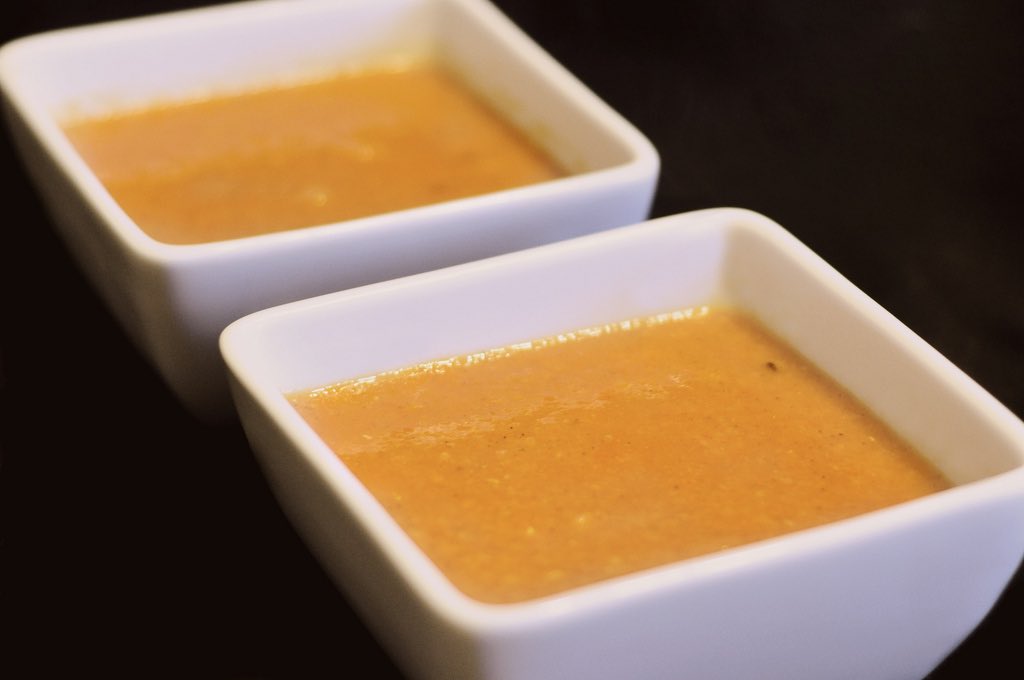
For those on a Puree Diet, a few additional modifications will be needed to make some foods the right texture. To puree a single serving or two, your patients will find that a powerful mini food processor will become an invaluable tool. Full-size food processors and blenders won’t work because they are too big to efficiently puree one or two portions to the correct texture. Those on a puree diet may also need an instant food thickener to bind the puree to the correct, cohesive texture for visual appeal and for safe swallowing.

Here is a puree plan for most traditional foods:

Roasted Turkey/Beef/Ham/Brisket

  • In a mini food processor, place cooked a 2 – 3 oz. portion of cooked meat and process until finely chopped. Add 2 tablespoons of broth and process again until very finely chopped. Add 1 scoop instant food thickener and puree until smooth. The texture should be as thick as mashed potatoes. For visual appeal, place the meat in the corner of a quart-size zip-top bag and seal. Snip off the corner with the meat, and pipe the puree onto a plate in the approximate shape and size of a serving of meat.


Mashed Potatoes & Gravy

  • No modifications needed, just make sure the potatoes and gravy are lump-free and the potatoes are firm (not soupy).


Stuffing

  • Avoid stuffing. Try slurried dinner rolls (below) which taste a lot like stuffing.


Sweet Potatoes

  • Mash with lots of butter.


Green Bean Casserole

  • No mushroom soup allowed. Instead, puree a portion of well-cooked green beans and fried onions in a mini food processor with a small amount of cooking liquid. Add 1 scoop of Instant Food Thickener (I like ThickenUp Clear) and blend until smooth. You are looking for a texture like smooth mashed potatoes.


Dinner rolls

  • Use only soft dinner rolls. NO SEEDS OR WHOLE GRAINS! Make a slurry with ¼ cup of chicken broth and ½ scoop of Instant Food Thickener (ThickenUp Clear) and mix until it thickens. Pull apart the roll and cover with the slurry. Set aside for about ten minutes, until the roll has absorbed the slurry. Reheat as needed.


Cranberry Sauce

  • Canned smooth, jellied sauce is okay.


Pumpkin Pie

  • Filling only. No crust.

Apple Pie

  • Puree the filling in a mini food processor. No crust.

If you crave apple pie a la mode, check-out the recipe on my blog.

With a few modifications, everyone can safely enjoy a holiday feast!

Links of Interest

  1. National Foundation of Swallowing Disorders
  2. visit her website or subscribe to her blog


Share article:TwitterFacebookLinkedin
Dysphagia Holidays
AboutLaura Michael
Laura Michael has a degree in Nutrition from the Ohio State University and over a decade of experience working in the healthcare food industry. She is the owner of Dysphagia Supplies Direct and Dysphagia Solutions where she offers hands-on training and education (with CEUs) for patients and healthcare professionals. She is the author of the training manual and cookbook: “Cooking for Someone with Swallowing Problems”. Laura is on the executive board of the National Foundation of Swallowing Disorders.
Culture & dysphagia: More than ethnic foods

Culture & dysphagia: More than ethnic foods

November 15, 2014

Current and emerging evidence-based strategies for targeting the laryngeal elevators

December 4, 2014
Current and emerging evidence-based strategies for targeting the laryngeal elevators

Other courses you may enjoy

#ld-cg-ml9i7jftqw .list > .item .content .entry-title, #ld-cg-ml9i7jftqw .list > .item .content .entry-title *{} #ld-cg-ml9i7jftqw .list > .item .content .entry-title{} #ld-cg-ml9i7jftqw .list > .item .content .entry-title *{} #ld-cg-ml9i7jftqw .list > .item .content .entry-content{} #ld-cg-ml9i7jftqw .list > .item .content .entry-content *{} #ld-cg-ml9i7jftqw .list > .item .ribbon{} #ld-cg-ml9i7jftqw .list > .item .ribbon, #ld-cg-ml9i7jftqw .list > .item .ribbon *{} #ld-cg-ml9i7jftqw .list > .item .icon{} #ld-cg-ml9i7jftqw .list > .item .icon, #ld-cg-ml9i7jftqw .list > .item .icon *{} #ld-cg-ml9i7jftqw .list > .item .button, #ld-cg-ml9i7jftqw .list > .item .button *{} #ld-cg-ml9i7jftqw .list > .item .button, #ld-cg-ml9i7jftqw .list > .item .button *{}
Room Air to Mechanical Ventilation and Everything In-between

Room Air to Mechanical Ventilation and Everything In-between

Dysphagia: A Symptom of a Greater Diagnostic Profile

Dysphagia: A Symptom of a Greater Diagnostic Profile

Aggressive Dysphagia Therapy: What Does it Mean?

Aggressive Dysphagia Therapy: What Does it Mean?

INDICATIONS AND USAGE:

VARIBAR ® THIN HONEY (barium sulfate) oral suspension, VARIBAR ® NECTAR (barium sulfate) oral suspension, and VARIBAR ® THIN LIQUID (barium sulfate) for oral suspension, are indicated for use in modified barium swallow examinations to evaluate the oral and pharyngeal function and morphology in adult and pediatric patients. VARIBAR ® HONEY (barium sulfate) oral suspension and VARIBAR ® PUDDING (barium sulfate) oral paste are indicated for use in modified barium swallow examinations to evaluate the oral and pharyngeal function and morphology in adult and pediatric patients 6 months of age and older.

IMPORTANT SAFETY INFORMATION:
For Oral Administration. This product should not be used in patients with known or suspected perforation of the GI tract, known obstruction of the GI tract, high risk of aspiration, or hypersensitivity to barium sulfate products. Rarely, severe allergic reactions of anaphylactoid nature have been reported following administration of barium sulfate contrast agents. Aspiration may occur during the modified barium swallow examination, monitor the patient for aspiration.

Please consult full Prescribing Information for VARIBAR products by clicking HERE.

You are encouraged to report negative side effects of prescription drugs to the FDA.
Visit FDA or call 1-800-FDA-1088.

logotype

Dysphagia Café’s mission is to be a quality, consistent, reliable and easily accessible resource and education community for every dysphagia clinician worldwide. This is achieved by generating and promoting original evidence-based content by global leaders in dysphagia research and practice.

Legal links

  • Privacy Policy
  • Terms & condition
  • Disclaimer

Social media

Facebook Linkedin Pinterest X-twitter Youtube Instagram

© Copyright 2013 Dysphagia Cafe All rights reserved.

Login

Lost Your Password?
dysphagia cafe logo
Register
Don't have an account? Register one!
Register an Account

Registration confirmation will be emailed to you.