
Silent Aspiration: Thresholds, Triggers, and Clinical Truths

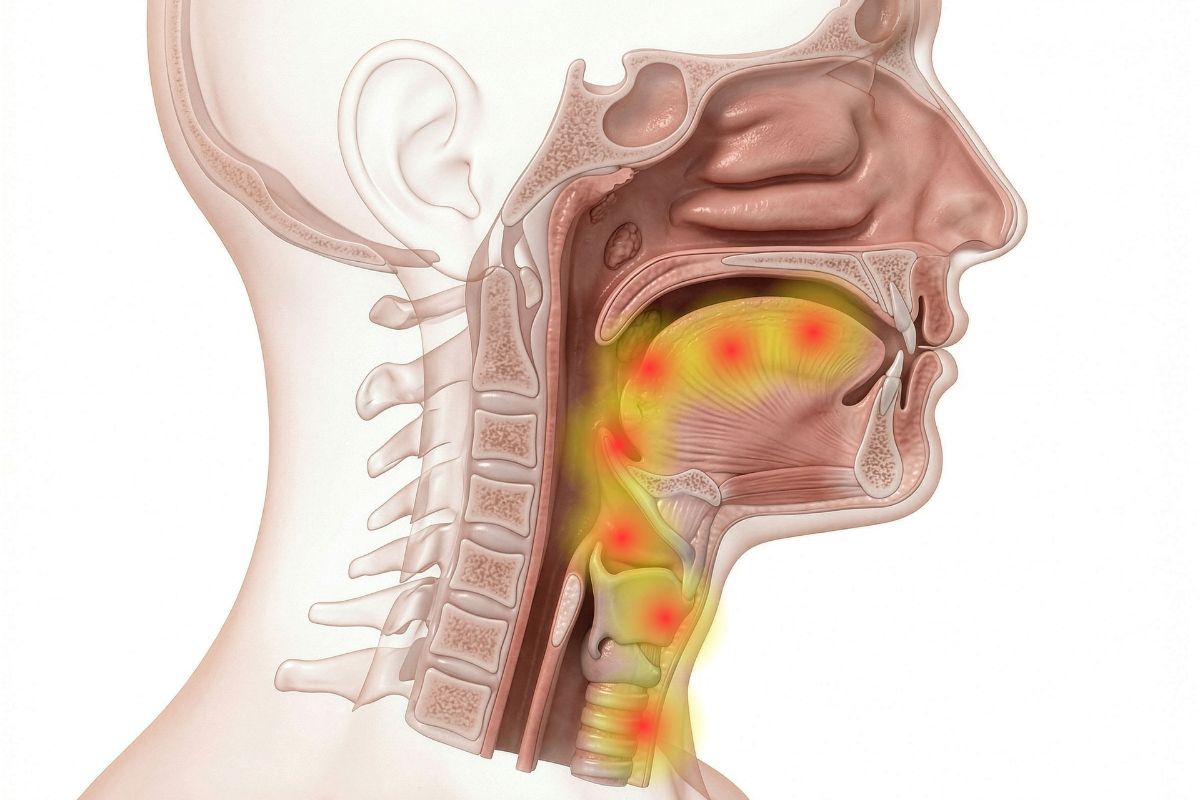
In dysphagia practice, the term silent aspiration is commonly used when material enters the airway without a cough response during swallowing. Clinically, the absence of cough is often interpreted as evidence of reduced or absent airway sensation. But what if the situation is more complex than that?
Emerging discussions in dysphagia research suggest that what appears to be “silent” aspiration may sometimes be better understood through a sensory threshold perspective. In other words, the body may still be sensing airway invasion, but the stimulus may not be strong enough to trigger a cough response.
The Role of Sensation in Airway Protection
Airway protection during swallowing depends heavily on laryngeal sensory input. Sensory receptors throughout the larynx and airway detect mechanical and chemical stimuli and help trigger protective responses such as coughing, throat clearing, or reflexive swallowing adjustments.
However, these responses are not automatic with every stimulus. Like many reflexes in the body, the cough reflex requires a minimum level of stimulation before it activates.
If the stimulus, such as a small amount of aspirated material, does not reach that threshold, a cough may not occur even though airway invasion is present.
Why Stimulus Intensity Matters
Factors like bolus volume, consistency, and speed of entry into the airway can all influence whether the cough reflex is triggered. Smaller volumes or less irritating material may fail to generate enough sensory input to produce a protective response.
This means that the absence of cough during a swallowing assessment does not always indicate a complete loss of sensation. Instead, it may reflect a subthreshold sensory stimulus.
Implications for Dysphagia Assessment
For clinicians conducting instrumental swallowing evaluations such as videofluoroscopic swallow studies (VFSS) or fiberoptic endoscopic evaluation of swallowing (FEES), this perspective can provide helpful context.
Rather than interpreting aspiration without cough as purely “silent,” it may be useful to consider additional questions:
- Was the stimulus strong enough to trigger a reflex?
- Could reduced laryngeal sensitivity be influencing the response?
- How might bolus size or consistency affect airway protection?
For clinicians interested in exploring these concepts further, Debra Suiter, will take a deeper look at sensory thresholds and airway protection in this silent aspiration webinar for dysphagia clinicians.