• Home
  • Contact
  • My account
  • Home
  • Contact
  • My account
Facebook Linkedin Pinterest X-twitter Youtube Instagram
Dysphagia Cafe Logo
  • Education Webinars
  • Blog
    • Acute Care
    • Advocacy
    • Anatomy
    • Art & Science
    • Coffee Break
    • Case Studies
    • Continuing Education
    • Esophageal Dysphagia
    • Evidence Based Practice
    • Reflux
    • Head Neck Cancer
    • Instrumental Assessment
    • International
    • Neurogenic Dysphagia
    • Pediatric
    • Podcasts
    • Rehabilitation
    • Telepractice
    • Webinars
  • Resources
  • About

Type To Search

No products in the cart.

Login
logotype
  • Home
  • Education Webinars
  • Blog
    • Acute Care
    • Advocacy
    • Anatomy
    • Art & Science
    • Coffee Break
    • Case Studies
    • Continuing Education
    • Esophageal Dysphagia
    • Evidence Based Practice
    • Reflux
    • Head Neck Cancer
    • Instrumental Assessment
    • International
    • Neurogenic Dysphagia
    • Pediatric
    • Podcasts
    • Rehabilitation
    • Telepractice
    • Webinars
  • Resources
logotype
  • Home
  • Education Webinars
  • Blog
    • Acute Care
    • Advocacy
    • Anatomy
    • Art & Science
    • Coffee Break
    • Case Studies
    • Continuing Education
    • Esophageal Dysphagia
    • Evidence Based Practice
    • Reflux
    • Head Neck Cancer
    • Instrumental Assessment
    • International
    • Neurogenic Dysphagia
    • Pediatric
    • Podcasts
    • Rehabilitation
    • Telepractice
    • Webinars
  • Resources
  • My Courses
  • Logout
  • Login
  • About
  • Contact
  • Disclaimer
Facebook Linkedin Pinterest X-twitter Youtube
Lateral Medullary Syndrome (Wallenberg Syndrome) and dysphagia

Lateral Medullary Syndrome (Wallenberg Syndrome) and dysphagia

Acute CareAnatomyAssessmentCase StudiesNeurogenic DysphagiaRehabilitationTreatmentKaren Sheffler, M.S. CCC-SLP, BCS-SMay 19, 2014

Abstract

A lateral medullary infarction is the most common type of a brainstem stroke, and it presents completely differently than typical cortical cerebral vascular accidents. There is a need to raise public awareness of this type of stroke, as the cluster of symptoms in lateral medullary syndrome includes nausea and vomiting, which the person may mistake for a gastrointestinal infection or flu. The effects of this infarction need not be devastating. With early identification and treatment, including early swallowing evaluations, the medical team can prevent aspiration pneumonia, intubation, and death from pneumonia.

The goals of the paper are to: (a) provide a review of the literature of LMS, (b) discuss the symptoms and challenges of differential diagnosis, (c) analyze the dysphagia research in LMS, especially how it relates to the central pattern generators (CPG) for swallowing, (d) discuss the pharyngeal, laryngeal, and esophageal aspects of the dysphagia in LMS; and (e) review recovery, prognosis, and treatment options. Finally, the author presents two cases that illustrate key points, such as the younger age of onset of LMS in comparison with most stroke populations, symptomatology, early identification, the need for instrumental evaluations of swallowing, therapy techniques, and outcomes. LMS patients tend to show rapid and steady recovery of their swallowing function. The subjects of the two case studies at the end of this paper made significant progress in swallowing (even based on a comparison between the evaluations at two days after the stroke and at just six days later).

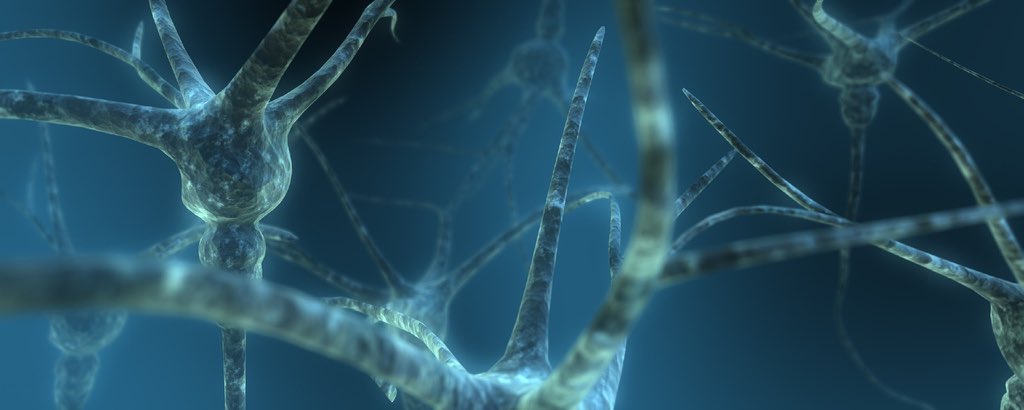
Image of Courtesy of freedigitalphoto.net

Introduction

Lateral medullary syndrome is caused by a stroke in the lateral medulla and is also known as Wallenberg syndrome. This is the most common and classic brain stem vascular syndrome, involving the territory of the vertebral arteries (VA) and/or the posterior inferior cerebellar artery (PICA), usually affecting the dominant branch (Groher, 1992; Sacco et al., 1993). Wallenberg syndrome was initially reported by Gaspard Vieusseux, MD of Geneva in 1810 at the Medical and Chirurgical Society of London. He described his own affliction as “vertigo, unilateral facial numbness, loss of pain and temperature appreciation in the opposite limbs, dysphagia and hoarseness, minor tongue involvement, hiccups (cured by the taking of the habit of a morning cigarette) and a dropped eyelid” (Pearce, 2000, p. 570). Marcet (1811) published ahighly detailed case study of Gaspard Vieusseux, in which he speculated that the peculiar sensations in Vieusseux’s head and the derangement of equilibrium arose from a nervous state, rather than an “organic affection of the brain” (p. 233). However, Alex Marcet, MD perfectly related the sudden onset of LMS with vomiting, followed by a complete loss of voice (without affecting articulation), considerable difficulty in swallowing liquids, weakness of his left side, insensible right side to being scratched or pricked, and finally hiccups by the third day. Vieusseux also noted that an “etherized julep” (a cold cocktail) felt lukewarm when taken in the right hand but cold when held in the left hand (p. 221). Other than cures by cigarettes or sensory testing with cold cocktails, Vieusseux and Marcet hit upon the main cluster of symptoms that are consistent with the research of today. However, it was not until Adolf Wallenberg from 1895 through 1922 provided case reports and anatomical evidence of lesions in the lateral medulla that this syndrome got its name (Pearce, 2000).

To access the complete article with references, visit Karen’s website: http://www.swallowstudy.com/?page_id=180 

Share article:TwitterFacebookLinkedin
Dysphagia Karen Sheffler Lateral Medullary Syndrome Wallenberg Syndrome
AboutKaren Sheffler, M.S. CCC-SLP, BCS-S
I graduated from the University of Wisconsin-Madison in 1995 with my Master’s degree in Speech-Language Pathology. There, I was influenced by great mentors in the field of swallowing and swallowing disorders (dysphagia) like Jay Rosenbek, JoAnne Robbins, and James Coyle. Once the “dysphagia-bug” bit me, I have never looked back. Initially, I worked in skilled nursing facilities and rehab centers, but now I have been in acute care for over 15 years. In addition to working in hospitals, I trained with and have worked with SEC Medical as a FEES consultant. I obtained my BCS-S (Board Certified Specialist in Swallowing and Swallowing Disorders) in August of 2012. I am a member of the Dysphagia Research Society, the Special Interest Group 13: Swallowing and Swallowing Disorders, and the National Foundation of Swallowing Disorders (NFOSD).
VitalStim: Analysis of NMES and dysphagia literature

VitalStim: Analysis of NMES and dysphagia literature

May 12, 2014

Examining dysphagia from the perspectives of head and neck cancer survivors and carers

May 28, 2014
Examining dysphagia from the perspectives of head and neck cancer survivors and carers

Other courses you may enjoy

#ld-cg-ml9i7jftqw .list > .item .content .entry-title, #ld-cg-ml9i7jftqw .list > .item .content .entry-title *{} #ld-cg-ml9i7jftqw .list > .item .content .entry-title{} #ld-cg-ml9i7jftqw .list > .item .content .entry-title *{} #ld-cg-ml9i7jftqw .list > .item .content .entry-content{} #ld-cg-ml9i7jftqw .list > .item .content .entry-content *{} #ld-cg-ml9i7jftqw .list > .item .ribbon{} #ld-cg-ml9i7jftqw .list > .item .ribbon, #ld-cg-ml9i7jftqw .list > .item .ribbon *{} #ld-cg-ml9i7jftqw .list > .item .icon{} #ld-cg-ml9i7jftqw .list > .item .icon, #ld-cg-ml9i7jftqw .list > .item .icon *{} #ld-cg-ml9i7jftqw .list > .item .button, #ld-cg-ml9i7jftqw .list > .item .button *{} #ld-cg-ml9i7jftqw .list > .item .button, #ld-cg-ml9i7jftqw .list > .item .button *{}
Interpreting Oral Phase Signals That Shape Swallow Performance: What Clinicians Need to Know

Interpreting Oral Phase Signals That Shape Swallow Performance: What Clinicians Need to Know

Applying and Integrating Outside the Box Thinking for Chronic Swallowing Disorders in the Outpatient Setting

Applying and Integrating Outside the Box Thinking for Chronic Swallowing Disorders in the Outpatient Setting

Advancing Speech Pathology Care in the Trauma Population

Advancing Speech Pathology Care in the Trauma Population

INDICATIONS AND USAGE:

VARIBAR ® THIN HONEY (barium sulfate) oral suspension, VARIBAR ® NECTAR (barium sulfate) oral suspension, and VARIBAR ® THIN LIQUID (barium sulfate) for oral suspension, are indicated for use in modified barium swallow examinations to evaluate the oral and pharyngeal function and morphology in adult and pediatric patients. VARIBAR ® HONEY (barium sulfate) oral suspension and VARIBAR ® PUDDING (barium sulfate) oral paste are indicated for use in modified barium swallow examinations to evaluate the oral and pharyngeal function and morphology in adult and pediatric patients 6 months of age and older.

IMPORTANT SAFETY INFORMATION:
For Oral Administration. This product should not be used in patients with known or suspected perforation of the GI tract, known obstruction of the GI tract, high risk of aspiration, or hypersensitivity to barium sulfate products. Rarely, severe allergic reactions of anaphylactoid nature have been reported following administration of barium sulfate contrast agents. Aspiration may occur during the modified barium swallow examination, monitor the patient for aspiration.

Please consult full Prescribing Information for VARIBAR products by clicking HERE.

You are encouraged to report negative side effects of prescription drugs to the FDA.
Visit FDA or call 1-800-FDA-1088.

logotype

Dysphagia Café’s mission is to be a quality, consistent, reliable and easily accessible resource and education community for every dysphagia clinician worldwide. This is achieved by generating and promoting original evidence-based content by global leaders in dysphagia research and practice.

Legal links

  • Cancellation and Refunds Policy
  • Terms & condition

Non-Discrimationa Disclosure: Dysphagia Cafe does not discriminate against individuals based on their race, color, ethnicity, religion, sex, national origin, age, disability or genetic information.

Social media

Facebook Linkedin Pinterest X-twitter Youtube Instagram

© Copyright 2013 Dysphagia Cafe All rights reserved.

Login

Lost Your Password?
dysphagia cafe logo
Register
Don't have an account? Register one!
Register an Account

Registration confirmation will be emailed to you.