
• Home
  • Contact
  • My account
  • Home
  • Contact
  • My account
Facebook Linkedin Pinterest X-twitter Youtube Instagram
Dysphagia Cafe Logo
  • Education Webinars
  • Blog
    • Acute Care
    • Advocacy
    • Anatomy
    • Art & Science
    • Coffee Break
    • Case Studies
    • Continuing Education
    • Esophageal Dysphagia
    • Evidence Based Practice
    • Reflux
    • Head Neck Cancer
    • Instrumental Assessment
    • International
    • Neurogenic Dysphagia
    • Pediatric
    • Podcasts
    • Rehabilitation
    • Telepractice
    • Webinars
  • Resources
  • About

Type To Search

No products in the cart.

Login
logotype
  • Home
  • Education Webinars
  • Blog
    • Acute Care
    • Advocacy
    • Anatomy
    • Art & Science
    • Coffee Break
    • Case Studies
    • Continuing Education
    • Esophageal Dysphagia
    • Evidence Based Practice
    • Reflux
    • Head Neck Cancer
    • Instrumental Assessment
    • International
    • Neurogenic Dysphagia
    • Pediatric
    • Podcasts
    • Rehabilitation
    • Telepractice
    • Webinars
  • Resources
Login
logotype
  • Home
  • Education Webinars
  • Blog
    • Acute Care
    • Advocacy
    • Anatomy
    • Art & Science
    • Coffee Break
    • Case Studies
    • Continuing Education
    • Esophageal Dysphagia
    • Evidence Based Practice
    • Reflux
    • Head Neck Cancer
    • Instrumental Assessment
    • International
    • Neurogenic Dysphagia
    • Pediatric
    • Podcasts
    • Rehabilitation
    • Telepractice
    • Webinars
  • Resources
  • My Courses
  • About
  • Contact
  • Disclaimer
  • My account
Facebook Linkedin Pinterest X-twitter Youtube
Silent Aspiration: Thresholds, Triggers, and Clinical Truths

Silent Aspiration: Thresholds, Triggers, and Clinical Truths

AssessmentInstrumental AssessmentDysphagia CafeMarch 11, 2026

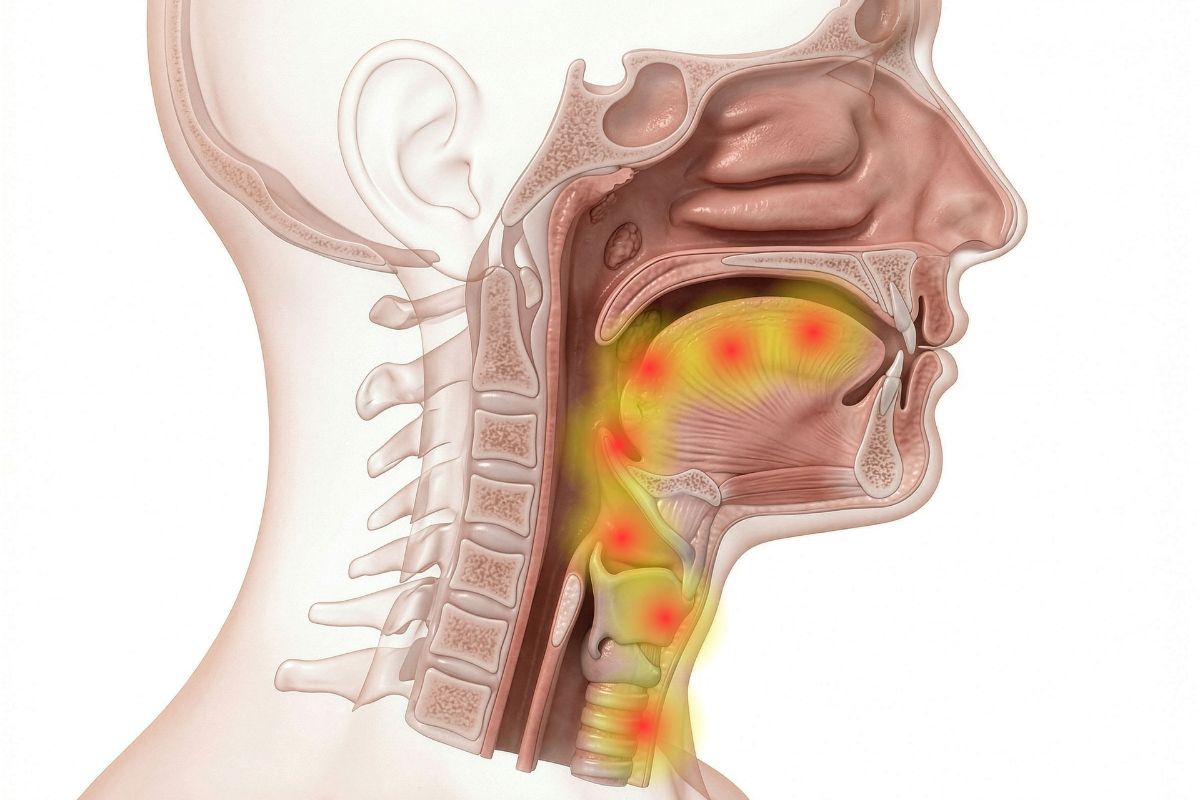
In dysphagia practice, the term silent aspiration is commonly used when material enters the airway without a cough response during swallowing. Clinically, the absence of cough is often interpreted as evidence of reduced or absent airway sensation. But what if the situation is more complex than that?

Emerging discussions in dysphagia research suggest that what appears to be “silent” aspiration may sometimes be better understood through a sensory threshold perspective. In other words, the body may still be sensing airway invasion, but the stimulus may not be strong enough to trigger a cough response.

The Role of Sensation in Airway Protection

Airway protection during swallowing depends heavily on laryngeal sensory input. Sensory receptors throughout the larynx and airway detect mechanical and chemical stimuli and help trigger protective responses such as coughing, throat clearing, or reflexive swallowing adjustments.

However, these responses are not automatic with every stimulus. Like many reflexes in the body, the cough reflex requires a minimum level of stimulation before it activates.

If the stimulus, such as a small amount of aspirated material, does not reach that threshold, a cough may not occur even though airway invasion is present.

Why Stimulus Intensity Matters

Factors like bolus volume, consistency, and speed of entry into the airway can all influence whether the cough reflex is triggered. Smaller volumes or less irritating material may fail to generate enough sensory input to produce a protective response.

This means that the absence of cough during a swallowing assessment does not always indicate a complete loss of sensation. Instead, it may reflect a subthreshold sensory stimulus.

Implications for Dysphagia Assessment

For clinicians conducting instrumental swallowing evaluations such as videofluoroscopic swallow studies (VFSS) or fiberoptic endoscopic evaluation of swallowing (FEES), this perspective can provide helpful context.

Rather than interpreting aspiration without cough as purely “silent,” it may be useful to consider additional questions:

  • Was the stimulus strong enough to trigger a reflex?
  • Could reduced laryngeal sensitivity be influencing the response?
  • How might bolus size or consistency affect airway protection?

For clinicians interested in exploring these concepts further, Debra Suiter, will take a deeper look at sensory thresholds and airway protection in this silent aspiration webinar for dysphagia clinicians.

Share article:TwitterFacebookLinkedin
Airway Protection Dysphagia FEES Laryngeal Sensation silent aspiration Swallowing Assessment Videofluoroscopy
AboutDysphagia Cafe
Dysphagia Café’s mission is to be a quality, consistent, reliable and easily accessible resource community for every dysphagia clinician worldwide. This is achieved by generating and promoting original evidence based content by global leaders in dysphagia research and practice.
An Evidence-Based Approach to Tethered Oral Tissues (TOTs)

An Evidence-Based Approach to Tethered Oral Tissues (TOTs)

October 25, 2025

Other courses you may enjoy

#ld-cg-ml9i7jftqw .list > .item .content .entry-title, #ld-cg-ml9i7jftqw .list > .item .content .entry-title *{} #ld-cg-ml9i7jftqw .list > .item .content .entry-title{} #ld-cg-ml9i7jftqw .list > .item .content .entry-title *{} #ld-cg-ml9i7jftqw .list > .item .content .entry-content{} #ld-cg-ml9i7jftqw .list > .item .content .entry-content *{} #ld-cg-ml9i7jftqw .list > .item .ribbon{} #ld-cg-ml9i7jftqw .list > .item .ribbon, #ld-cg-ml9i7jftqw .list > .item .ribbon *{} #ld-cg-ml9i7jftqw .list > .item .icon{} #ld-cg-ml9i7jftqw .list > .item .icon, #ld-cg-ml9i7jftqw .list > .item .icon *{} #ld-cg-ml9i7jftqw .list > .item .button, #ld-cg-ml9i7jftqw .list > .item .button *{} #ld-cg-ml9i7jftqw .list > .item .button, #ld-cg-ml9i7jftqw .list > .item .button *{}
Interpreting Oral Phase Signals That Shape Swallow Performance: What Clinicians Need to Know

Interpreting Oral Phase Signals That Shape Swallow Performance: What Clinicians Need to Know

Applying and Integrating Outside the Box Thinking for Chronic Swallowing Disorders in the Outpatient Setting

Applying and Integrating Outside the Box Thinking for Chronic Swallowing Disorders in the Outpatient Setting

Advancing Speech Pathology Care in the Trauma Population

Advancing Speech Pathology Care in the Trauma Population

INDICATIONS AND USAGE:

VARIBAR ® THIN HONEY (barium sulfate) oral suspension, VARIBAR ® NECTAR (barium sulfate) oral suspension, and VARIBAR ® THIN LIQUID (barium sulfate) for oral suspension, are indicated for use in modified barium swallow examinations to evaluate the oral and pharyngeal function and morphology in adult and pediatric patients. VARIBAR ® HONEY (barium sulfate) oral suspension and VARIBAR ® PUDDING (barium sulfate) oral paste are indicated for use in modified barium swallow examinations to evaluate the oral and pharyngeal function and morphology in adult and pediatric patients 6 months of age and older.

IMPORTANT SAFETY INFORMATION:
For Oral Administration. This product should not be used in patients with known or suspected perforation of the GI tract, known obstruction of the GI tract, high risk of aspiration, or hypersensitivity to barium sulfate products. Rarely, severe allergic reactions of anaphylactoid nature have been reported following administration of barium sulfate contrast agents. Aspiration may occur during the modified barium swallow examination, monitor the patient for aspiration.

Please consult full Prescribing Information for VARIBAR products by clicking HERE.

You are encouraged to report negative side effects of prescription drugs to the FDA.
Visit FDA or call 1-800-FDA-1088.

logotype

Dysphagia Café’s mission is to be a quality, consistent, reliable and easily accessible resource and education community for every dysphagia clinician worldwide. This is achieved by generating and promoting original evidence-based content by global leaders in dysphagia research and practice.

Legal links

  • Cancellation and Refunds Policy
  • Terms & condition

Non-Discrimationa Disclosure: Dysphagia Cafe does not discriminate against individuals based on their race, color, ethnicity, religion, sex, national origin, age, disability or genetic information.

Social media

Facebook Linkedin Pinterest X-twitter Youtube Instagram

© Copyright 2013 Dysphagia Cafe All rights reserved.

Login

Lost Your Password?
dysphagia cafe logo
Register
Don't have an account? Register one!
Register an Account

Registration confirmation will be emailed to you.