
• Home
  • Contact
  • My account
  • Home
  • Contact
  • My account
Facebook Linkedin Pinterest X-twitter Youtube Instagram
Dysphagia Cafe Logo
  • Education Webinars
  • Blog
    • Acute Care
    • Advocacy
    • Anatomy
    • Art & Science
    • Coffee Break
    • Case Studies
    • Continuing Education
    • Esophageal Dysphagia
    • Evidence Based Practice
    • Reflux
    • Head Neck Cancer
    • Instrumental Assessment
    • International
    • Neurogenic Dysphagia
    • Pediatric
    • Podcasts
    • Rehabilitation
    • Telepractice
    • Webinars
  • Resources

Type To Search

No products in the cart.

Login
logotype
  • Home
  • Education Webinars
  • Blog
    • Acute Care
    • Advocacy
    • Anatomy
    • Art & Science
    • Coffee Break
    • Case Studies
    • Continuing Education
    • Esophageal Dysphagia
    • Evidence Based Practice
    • Reflux
    • Head Neck Cancer
    • Instrumental Assessment
    • International
    • Neurogenic Dysphagia
    • Pediatric
    • Podcasts
    • Rehabilitation
    • Telepractice
    • Webinars
  • Resources
Login
logotype
  • Home
  • Education Webinars
  • Blog
    • Acute Care
    • Advocacy
    • Anatomy
    • Art & Science
    • Coffee Break
    • Case Studies
    • Continuing Education
    • Esophageal Dysphagia
    • Evidence Based Practice
    • Reflux
    • Head Neck Cancer
    • Instrumental Assessment
    • International
    • Neurogenic Dysphagia
    • Pediatric
    • Podcasts
    • Rehabilitation
    • Telepractice
    • Webinars
  • Resources
  • About
  • Contact
  • Disclaimer
  • My account
Facebook Linkedin Pinterest X-twitter Youtube
Are we essential? Personal essay from the epicenter

Are we essential? Personal essay from the epicenter

Coffee BreakGeorge Barnes, MS, CCC-SLP, BCS-SApril 11, 2020

The question many SLP’s are asking in the era of COVID-19 is, “Are we essential staff?” There is no easy answer to this question. My gut reaction is to say, “Of course we are essential!” but I am a bit biased so I’ll try to be as thoughtful and objective as possible. As healthcare workers, the state will provide us clearance if stopped on the road during a lockdown, but whether or not we should be entering the rooms of patients with COVID-19 is ultimately up to how our patients are being managed within our facilities. So then it becomes less a question of “Are we essential?” and more a question of “Is going into this room essential?”

What are the risks?

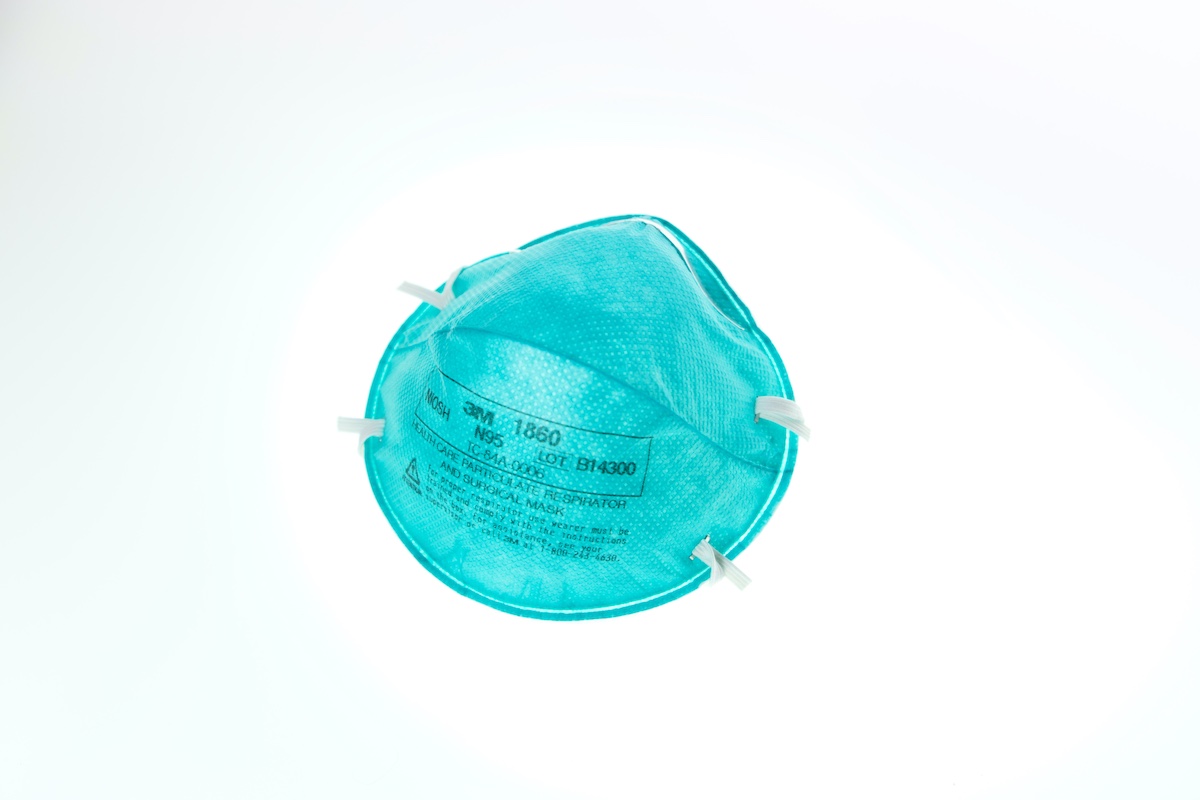
As SLP’s we are at an increased risk of receiving and spreading COVID-19 given the elicitation of coughing by providing PO trials and our close proximity to the patient’s airways (World Health Organization, 2020). Further, the PPE needed to protect ourselves and our patients is in desperate, short supply (Swift, 2020). Thus, it is important that we implement new policies and procedures that will keep ourselves, our coworkers, and our patients safe during a time when extreme caution is needed. The following is a detailed three step screening process that will determine if going into the patient’s room is indeed essential.

Do a chart review

If you are not already in the habit of doing a detailed chart review then start now. Take a look at the H&P, progress notes, CXR, lab work, current diet, prior speech notes, and any other information you might find useful in order to get a full clinical picture of the patient’s status and risk factors. Calling the family can be helpful if you cannot find any baseline information in the chart. 

Speak to the interdisciplinary team

Talk to the nurse, the doctors, and any other team members to find out if it is appropriate to see the patient at this time. I often receive consults for patients who are either completely functional or completely unconscious. Could you imagine using vital and scarce PPE for a patient that wasn’t even waking up for you? That’s why it is enormously important to communicate with the team in order to get the full clinical picture before we even go near the room.

Consider a nursing water screen

The nurses are already going into the patient’s room to give medication and take vitals. Most are hyper aware that we want to eliminate unnecessary use of PPE and minimize the risk of spreading the infection. In light of this, I have found the nurses extraordinarily helpful in providing the first PO trials for the patient and detailing their tolerance at bedside. If a patient passes the water screen or is tolerating a baseline diet then we should question what additional value a swallow evaluation might provide at this time. 

Benefits vs Costs 

Do your due diligence to determine if the potential benefits of your evaluation outweigh the potential costs of entering a patient’s room. Is the SLP an essential team member? When a patient is recently extubated, without AMN, at risk for malnutrition, and presenting with dysphagia then yes, of course we are essential staff and this is an essential evaluation. The medical team consulted you for a reason; they need your expertise in order to make the correct clinical decision. However, this is not the time to be the hero so everybody can see how important you are. We can bring a lot of value to the medical team from outside the room too if needed. An extraordinary situation requires extraordinary measures. With a simple and straightforward plan in place, we are much more likely to address the needs of the patient in a way that is effective and safe for everybody involved.

LINKS OF INTEREST

The author would like to mention a charity: Frontline Responders Fund: getting supplies (masks, gowns, gloves and other critical supplies) to protect medical professionals in hospitals across the world. For more information and to contribute to this fund, please visit the GoFundME Page Here: https://www.gofundme.com/f/frontlinerespondersfund

Please follow George Barnes on Instagram @dysphagiadude

Something positive to come about in the era of COVID-19 is that it has made a closely knit SLP community even closer. Thank you to all of my colleagues and friends in this great field for collaborating with me on these issues. “Alone we can do so little. Together we can do so much” – Helen Keller.

If you would like to collaborate with your SLP community consider joining Dysphagia Dialogues, a free discussion group about difficult and complex topics such as this one. Visit: https://www.feesibleswallowsolutions.com/

References

World Health Organization: Modes of transmission of virus causing COVID-19: implications for IPC precaution recommendations. (2020, March 29). Retrieved April 1, 2020, from https://www.who.int/news-room/commentaries/detail/modes-of-transmission-of-virus-causing-covid-19-implications-for-ipc-precaution-recommendations

Swift , D. (2020, March 29). Survey Shows Just How Dire PPE Shortages Are at Many Hospitals. Retrieved March 31, 2020, from https://www.medscape.com/viewarticle/927728

Share article:TwitterFacebookLinkedin
Allied Health Corona Virus COVID 19 Dysphagia Essential Worker Healthcare PPE
AboutGeorge Barnes, MS, CCC-SLP, BCS-S
George Barnes MS, CCC-SLP, BCS-S has developed an expertise in dysphagia with a focus on diagnostics in the medically complex population through his dedication to a variety of medical settings. He is co-founder of FEESible Swallow Solutions, a mobile speech pathology company dedicated to improving patient access to high-quality dysphagia services. George has a track record of supporting the field of speech pathology by paying his knowledge forward to other professionals via graduate-level education, clinical fellowship and student supervision, the Student to Empowered Professional (STEP) mentorship program, The Medical SLP Collective mentorship service, ASHA special interest groups, peer review for ASHA course material, the SIG13 Dysphagia Editorial Committee, the NJSHA Dysphagia Subcommittee, and participation in various interdisciplinary teams and committees in the hospital setting. He has earned multiple ASHA ACE Awards and leads his field through education and training in dysphagia management. George pioneers innovative research and clinical techniques aimed to improve efficiency and accuracy in dysphagia management. He is currently building a risk assessment calculation tool for aspiration pneumonia. With a passion for food and a deep appreciation for the joy and connection it gives to our lives, he has dedicated his life to helping others enjoy this simple, but deep-rooted pleasure. Affiliations: FEESible Swallow Solutions LLC. Looking for a presenter? George specializes in dysphagia management in patients with medical complexity. Some topics he has presented on include trach/vent management, critical thinking and decision making, and aspiration pneumonia risk management.
Harnessing the power of motivational interviewing in dysphagia therapy

Harnessing the power of motivational interviewing in dysphagia therapy

March 7, 2020

Covid-land, NYC: Reflections from the front lines

April 22, 2020
Covid-land, NYC: Reflections from the front lines

Other courses you may enjoy

#ld-cg-ml9i7jftqw .list > .item .content .entry-title, #ld-cg-ml9i7jftqw .list > .item .content .entry-title *{} #ld-cg-ml9i7jftqw .list > .item .content .entry-title{} #ld-cg-ml9i7jftqw .list > .item .content .entry-title *{} #ld-cg-ml9i7jftqw .list > .item .content .entry-content{} #ld-cg-ml9i7jftqw .list > .item .content .entry-content *{} #ld-cg-ml9i7jftqw .list > .item .ribbon{} #ld-cg-ml9i7jftqw .list > .item .ribbon, #ld-cg-ml9i7jftqw .list > .item .ribbon *{} #ld-cg-ml9i7jftqw .list > .item .icon{} #ld-cg-ml9i7jftqw .list > .item .icon, #ld-cg-ml9i7jftqw .list > .item .icon *{} #ld-cg-ml9i7jftqw .list > .item .button, #ld-cg-ml9i7jftqw .list > .item .button *{} #ld-cg-ml9i7jftqw .list > .item .button, #ld-cg-ml9i7jftqw .list > .item .button *{}
Room Air to Mechanical Ventilation and Everything In-between

Room Air to Mechanical Ventilation and Everything In-between

Dysphagia: A Symptom of a Greater Diagnostic Profile

Dysphagia: A Symptom of a Greater Diagnostic Profile

Aggressive Dysphagia Therapy: What Does it Mean?

Aggressive Dysphagia Therapy: What Does it Mean?

INDICATIONS AND USAGE:

VARIBAR ® THIN HONEY (barium sulfate) oral suspension, VARIBAR ® NECTAR (barium sulfate) oral suspension, and VARIBAR ® THIN LIQUID (barium sulfate) for oral suspension, are indicated for use in modified barium swallow examinations to evaluate the oral and pharyngeal function and morphology in adult and pediatric patients. VARIBAR ® HONEY (barium sulfate) oral suspension and VARIBAR ® PUDDING (barium sulfate) oral paste are indicated for use in modified barium swallow examinations to evaluate the oral and pharyngeal function and morphology in adult and pediatric patients 6 months of age and older.

IMPORTANT SAFETY INFORMATION:
For Oral Administration. This product should not be used in patients with known or suspected perforation of the GI tract, known obstruction of the GI tract, high risk of aspiration, or hypersensitivity to barium sulfate products. Rarely, severe allergic reactions of anaphylactoid nature have been reported following administration of barium sulfate contrast agents. Aspiration may occur during the modified barium swallow examination, monitor the patient for aspiration.

Please consult full Prescribing Information for VARIBAR products by clicking HERE.

You are encouraged to report negative side effects of prescription drugs to the FDA.
Visit FDA or call 1-800-FDA-1088.

logotype

Dysphagia Café’s mission is to be a quality, consistent, reliable and easily accessible resource and education community for every dysphagia clinician worldwide. This is achieved by generating and promoting original evidence-based content by global leaders in dysphagia research and practice.

Legal links

  • Privacy Policy
  • Terms & condition
  • Disclaimer

Social media

Facebook Linkedin Pinterest X-twitter Youtube Instagram

© Copyright 2013 Dysphagia Cafe All rights reserved.

Login

Lost Your Password?
dysphagia cafe logo
Register
Don't have an account? Register one!
Register an Account

Registration confirmation will be emailed to you.