
• Home
  • Contact
  • My account
  • Home
  • Contact
  • My account
Facebook Linkedin Pinterest X-twitter Youtube Instagram
Dysphagia Cafe Logo
  • Education Webinars
  • Blog
    • Acute Care
    • Advocacy
    • Anatomy
    • Art & Science
    • Coffee Break
    • Case Studies
    • Continuing Education
    • Esophageal Dysphagia
    • Evidence Based Practice
    • Reflux
    • Head Neck Cancer
    • Instrumental Assessment
    • International
    • Neurogenic Dysphagia
    • Pediatric
    • Podcasts
    • Rehabilitation
    • Telepractice
    • Webinars
  • Resources
  • About

Type To Search

No products in the cart.

Login
logotype
  • Home
  • Education Webinars
  • Blog
    • Acute Care
    • Advocacy
    • Anatomy
    • Art & Science
    • Coffee Break
    • Case Studies
    • Continuing Education
    • Esophageal Dysphagia
    • Evidence Based Practice
    • Reflux
    • Head Neck Cancer
    • Instrumental Assessment
    • International
    • Neurogenic Dysphagia
    • Pediatric
    • Podcasts
    • Rehabilitation
    • Telepractice
    • Webinars
  • Resources
Login
logotype
  • Home
  • Education Webinars
  • Blog
    • Acute Care
    • Advocacy
    • Anatomy
    • Art & Science
    • Coffee Break
    • Case Studies
    • Continuing Education
    • Esophageal Dysphagia
    • Evidence Based Practice
    • Reflux
    • Head Neck Cancer
    • Instrumental Assessment
    • International
    • Neurogenic Dysphagia
    • Pediatric
    • Podcasts
    • Rehabilitation
    • Telepractice
    • Webinars
  • Resources
  • My Courses
  • About
  • Contact
  • Disclaimer
  • My account
Facebook Linkedin Pinterest X-twitter Youtube
Advanced Master of Science in Deglutology (KU Leuven, Belgium)

Advanced Master of Science in Deglutology (KU Leuven, Belgium)

Continuing EducationNathalie Rommel, MSc, SLP, PhDAugust 1, 2020

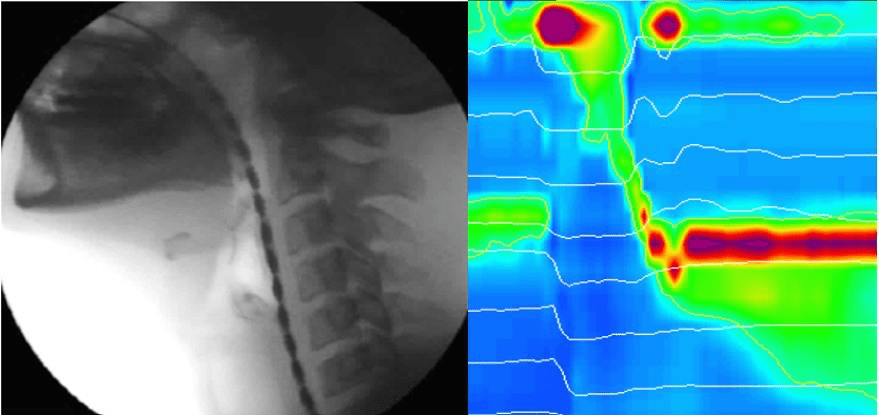
The prevalence and impact of dysphagia over the last 10 years has been striking and it would be naive to think that this evolution will change. In the coming decennia the impact of dysphagia will continue to grow, partially due to the increasing aging population and increasing medical survival rates. Swallowing is regulated by different body systems such as the brain, ear-nose-throat, breathing and digestion. Therefore, the risk that one or more of these systems are affected in case of dysphagia, is high. Therefore, the knowledge across these different domains is key to clinical care of dysphagia and is nowadays too often spread across individual professions. The overarching professional discipline bridging these different skills is deglutology, the science and clinical care of swallowing. Despite the urgent need for integrated academic training in the field of deglutology, unified transdisciplinary education was lacking.

Therefore, pioneering an advanced Master of Science in Deglutology program is timely. The KU Leuven deglutology programme meets an urgent clinical need as society will be increasingly confronted with patients with dysphagia and it answers a range of unmet requests from students, clinicians, researchers as well as from the broad professional medical education field. It is our vision that the care for dysphagia patients needs to be performed in a safe and professional way by professionals who have in-depth knowledge and skills through specialised academic education. Given the strong need, an Advanced Master’s programme builds and provides the much-needed academic foundations to deliver competent graduates able to cope with this complex care of patients who are unable to eat or drink properly, now and in the future. 

https://www.youtube.com/watch?v=98LhHmbdZv8&feature=emb_title

Dysphagia scientific research also had an exponential growth in recent years, inherently generating an increased interest in developing professional insight and skills to perform competitive scientific research and writing. 

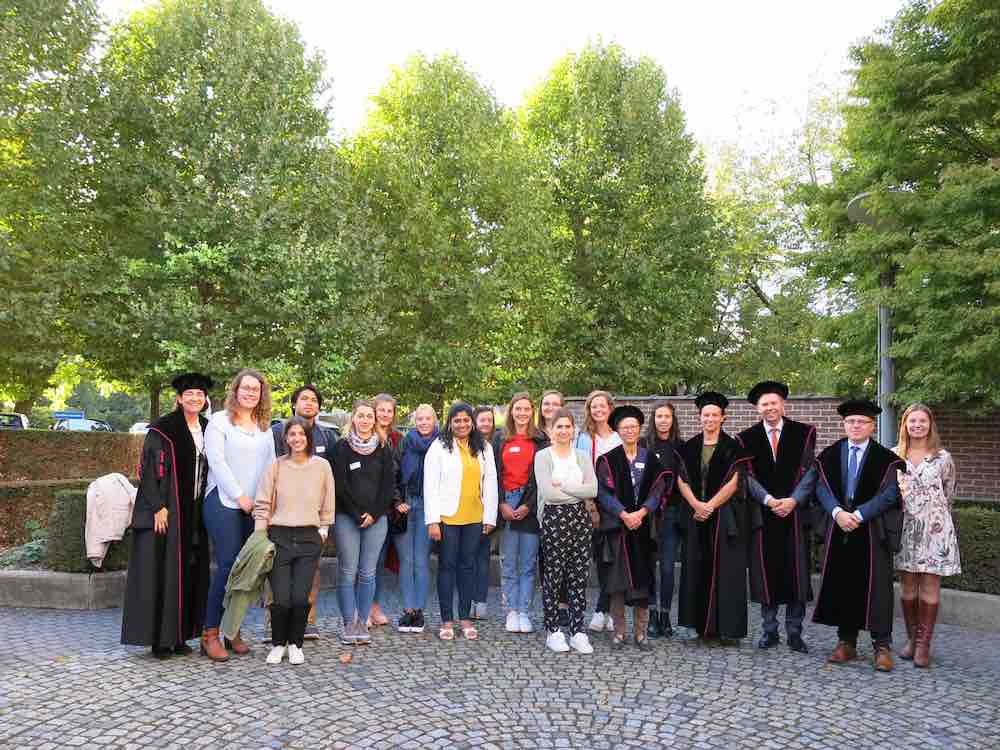
The Master of Science in Deglutology at KU Leuven Faculty of Medicine pioneers an academic degree in the science of swallowing, which is unique, not only in Europe but across the world. The program targets Masters in Medicine or Dentistry or candidates who obtained a health-related Master’s degree such as Speech Pathology, Physiotherapy and Occupational Therapy. The programme is developed as an Advanced Master’s level and clearly differentiates from an initial Master’s programme where the topic of dysphagia is merely one of many pathologies with dedicated training time. The deglutology programme distinguishes itself in terms of advanced and in-depth theoretical knowledge, skills training in instrumental diagnostic procedures and extensive clinical training in dysphagia related to both oropharynx as well as the oesophagus.

In September 2021, the Master of Science in Deglutology will start its fifth academic year. The programme has been awarded the formal European Union accreditation after evaluation by an international accreditation body steered by the Ministry of Education in Belgium. The programme received an excellent review and was complemented for its quality, relevance and future importance.

Selected students will enjoy a one-year interdisciplinary programme in the vibrant city of Leuven, Belgium. Courses of this one-year master’s programme will start at the end of September, are taught in English and are scheduled on Mondays, Tuesdays and occasionally during the evening. Interdisciplinary clinical electives are organised in the JCI accredited University Hospitals in Leuven, Belgium, and are tailored to the needs of the students to the largest extent possible. Deadlines for applications are 1 March for non-EEA applicants and 1 June for EEA applicants and non-EEA applicants living in Belgium with a residence permit. Given current COVID-19 circumstances, our Admissions office can agree to a flexible deadline. However, we advise participants who require a residence permit (mainly participants from outside the European Economic Area) to apply for their permit approximately three months in advance of the start of the academic year meaning the end of June. The end of June is also the KUL payment deadline.

Details about the programme are available on the website www.deglutology.com.

For questions about the content or structure of the programme, please contact deglutology@kuleuven.be.


DOWNLOAD THE PROGRAM BROCHURE
Download

Share article:TwitterFacebookLinkedin
Academics Belgium Deglutition Deglutology Dysphagia Master of Science swallowing disorders
AboutNathalie Rommel, MSc, SLP, PhD
Professor Nathalie Rommel is currently program director of the Master of Science in Deglutology at the Faculty of Medicine and a principal investigator in department of Neurosciences, Experimental ORL in collaboration with the Translational Research Center for Gastrointestinal Disorders (TARGID), University of Leuven, Belgium. Professor Rommel’s (MSc SLP, PhD) clinical research lies in the domain of upper gastrointestinal disorders and dysphagia. Her main topics of research are pathophysiology of pharyngo-esophageal dysphagia and the development of novel diagnostic catheter based methods such as manometry-impedance measurements. Rommel’s research focuses on the analysis and clinical use of these novel methodologies to characterize the (patho-) physiology of upper gastrointestinal function and on the evaluation of current treatments for upper gastrointestinal motility disorders. Dr Rommel’s clinical work in Deglutology concentrates on the diagnosis of patients across life span with pharyngeal and esophageal dysphagia seen at the multidisciplinary dysphagia clinic and neurogastroenterology clinic in the University Hospitals in Leuven. In February 2020, she became President of European Society for Swallowing Disorders (ESSD).
Can a multidisciplinary trach team improve swallowing  in patients with a tracheostomy?

Can a multidisciplinary trach team improve swallowing in patients with a tracheostomy?

July 25, 2020

Raising Dysphagia Awareness Requires Recognition of Multiphase Dysphagia

August 24, 2020
Raising Dysphagia Awareness Requires Recognition of Multiphase Dysphagia

Other courses you may enjoy

#ld-cg-ml9i7jftqw .list > .item .content .entry-title, #ld-cg-ml9i7jftqw .list > .item .content .entry-title *{} #ld-cg-ml9i7jftqw .list > .item .content .entry-title{} #ld-cg-ml9i7jftqw .list > .item .content .entry-title *{} #ld-cg-ml9i7jftqw .list > .item .content .entry-content{} #ld-cg-ml9i7jftqw .list > .item .content .entry-content *{} #ld-cg-ml9i7jftqw .list > .item .ribbon{} #ld-cg-ml9i7jftqw .list > .item .ribbon, #ld-cg-ml9i7jftqw .list > .item .ribbon *{} #ld-cg-ml9i7jftqw .list > .item .icon{} #ld-cg-ml9i7jftqw .list > .item .icon, #ld-cg-ml9i7jftqw .list > .item .icon *{} #ld-cg-ml9i7jftqw .list > .item .button, #ld-cg-ml9i7jftqw .list > .item .button *{} #ld-cg-ml9i7jftqw .list > .item .button, #ld-cg-ml9i7jftqw .list > .item .button *{}
Interpreting Oral Phase Signals That Shape Swallow Performance: What Clinicians Need to Know

Interpreting Oral Phase Signals That Shape Swallow Performance: What Clinicians Need to Know

Applying and Integrating Outside the Box Thinking for Chronic Swallowing Disorders in the Outpatient Setting

Applying and Integrating Outside the Box Thinking for Chronic Swallowing Disorders in the Outpatient Setting

Advancing Speech Pathology Care in the Trauma Population

Advancing Speech Pathology Care in the Trauma Population

INDICATIONS AND USAGE:

VARIBAR ® THIN HONEY (barium sulfate) oral suspension, VARIBAR ® NECTAR (barium sulfate) oral suspension, and VARIBAR ® THIN LIQUID (barium sulfate) for oral suspension, are indicated for use in modified barium swallow examinations to evaluate the oral and pharyngeal function and morphology in adult and pediatric patients. VARIBAR ® HONEY (barium sulfate) oral suspension and VARIBAR ® PUDDING (barium sulfate) oral paste are indicated for use in modified barium swallow examinations to evaluate the oral and pharyngeal function and morphology in adult and pediatric patients 6 months of age and older.

IMPORTANT SAFETY INFORMATION:
For Oral Administration. This product should not be used in patients with known or suspected perforation of the GI tract, known obstruction of the GI tract, high risk of aspiration, or hypersensitivity to barium sulfate products. Rarely, severe allergic reactions of anaphylactoid nature have been reported following administration of barium sulfate contrast agents. Aspiration may occur during the modified barium swallow examination, monitor the patient for aspiration.

Please consult full Prescribing Information for VARIBAR products by clicking HERE.

You are encouraged to report negative side effects of prescription drugs to the FDA.
Visit FDA or call 1-800-FDA-1088.

logotype

Dysphagia Café’s mission is to be a quality, consistent, reliable and easily accessible resource and education community for every dysphagia clinician worldwide. This is achieved by generating and promoting original evidence-based content by global leaders in dysphagia research and practice.

Legal links

  • Cancellation and Refunds Policy
  • Terms & condition

Non-Discrimationa Disclosure: Dysphagia Cafe does not discriminate against individuals based on their race, color, ethnicity, religion, sex, national origin, age, disability or genetic information.

Social media

Facebook Linkedin Pinterest X-twitter Youtube Instagram

© Copyright 2013 Dysphagia Cafe All rights reserved.

Login

Lost Your Password?
dysphagia cafe logo
Register
Don't have an account? Register one!
Register an Account

Registration confirmation will be emailed to you.